
Mental Health Services, Department of Human Services for Greene County, Pennsylvania


Mental Health Office
Fort Jackson Building, Waynesburg, PA
Fort Jackson Building

19 South Washington Street
Waynesburg, PA 15370
Click on image
for Map and Directions

    >> homepage > Departments > Human Services > Mental Health Services
MENTAL HEALTH (MH) PROGRAM
Department of Human Services


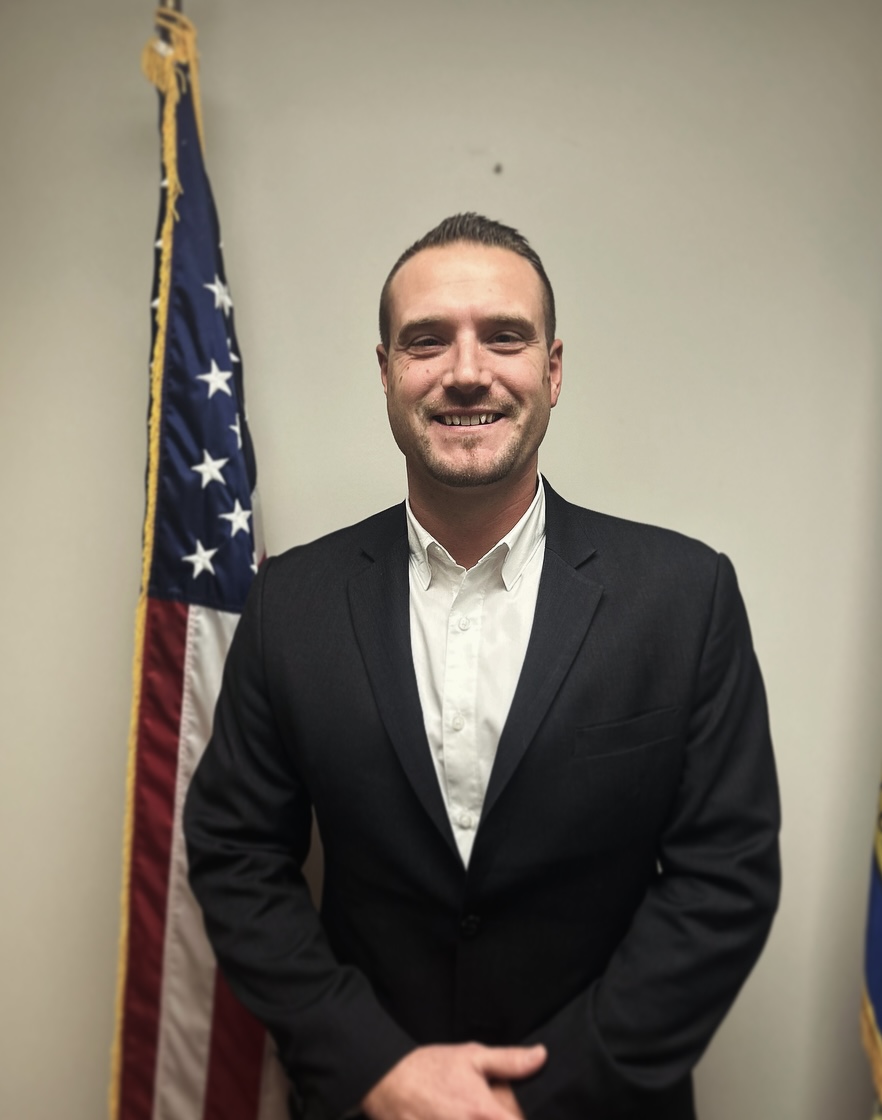
Dean Virgili, Mental Health Director
Fort Jackson Building (3rd Floor)
19 South Washington Street, Waynesburg, PA 15370
Phone: 724-852-5276 (Toll free: 888-317-7106) / Fax: 724-627-0785
Office Hours: 8:30 a.m. to 4:30 p.m., Monday - Friday

"One in Five people are affected by mental illness!"

Program Overview:
The Mental Health Program envisions that all Greene County residents with any type of behavioral health disorder are offered the opportunities to attain a quality of life which is holistic and self-directed. The program will create an environment within the community that allows the freedom to choose services and other resources which support hope, recovery and responsibility.

The mission of the Mental Health Program is to assure that all residents with mental illness and/or substance use disorders can choose services and supports which are seamless and accessible. The program will accomplish this mission by developing, promoting and assuring that an array of services are built upon respect and responsibility. These services will be individualized and empowering. They will enhance recovery, along with resilience, by utilizing community resources.

The Greene County Department of Human Services has administrative oversight of mental health services in the county, including:
  • Program contracting and monitoring
  • Oversight of the commitment process
  • Child & Adolescent Service System Program (CASSP) coordination
  • Pennsylvania Community Support Program (CSP) coordination
  • Mental health disaster coordination
  • State hospital closure infrastructure development
  • Mental health service coordination for seniors
  • Mental health service coordination for transitioning youth

Child & Adolescent Service System Program (CASSP): (8 West High Street, Waynesburg, PA 15370)

The Child & Adolescent Service System Program (CASSP) is a comprehensive system of care for children and adolescents with severe emotional disturbance. This system of care ensures that services for children and adolescents with or at risk of having severe emotional disturbance are planned collaboratively with the family and all the agencies involved in the life of the child or adolescent.


Pennsylvania Community Support Program (CSP):
The Pennsylvania Community Support Program (CSP) is made up of a coalition of mental health consumers, family members and professionals working to help adults with serious mental illnesses and co-occurring disorders live successfully in the community. The statewide coalition links CSP nationally with regional and local CSP’s throughout the state.

For more information on these programs, please visit the Pennsylvania Department of Public Welfare’s Office of Mental Health and Substance Abuse Services Web site at www.dpw.state.pa.us/About/OMHSAS/.


Mental Health and Mental Illness:
As mental health services get cut further, the number of people in need grows!

There is a vast difference between having inadequate mental health and having a mental illness. Mental illness is diagnosed when there is a significant break with reality, such as schizophrenia, bi-polar disorder, and psychosis. Mental health issues are more along the lines of alcoholism, depression (although depression can qualify as mental illness depending on the case) and eating disorders. According to the World Health Organization there is no accurate definition as it relates to mental health and mental illness. Mental health is more of a milestone recording of how well people function in daily life. Thus, a persona can be mentally ill, but with proper treatment they can still be mentally healthy.

The greatest symptoms which trigger mental health concerns have to do with the person’s ability to function. When they suddenly start missing a lot of work or school or losing jobs, not eating or eating too much, barely sleeping or not sleeping at all, and seem to be irritable or angry with everyone and everything, these are usually early symptoms of mental health issues. As symptoms progress the individual may experience self harm such as cutting or burning themselves and taking unnecessary risks with their safety. Any significant drastic change can be a symptom of a mental health issue.

Chemical imbalances in the brain can be responsible for many mental health issues. These imbalances can range from the reduction of neurotransmitters to the reduction of dopamine. Some claim the reduction of certain chemicals in the brain create certain forms of mental health issues while others state the mental health issue causes the chemical imbalance. Life experiences are more likely to cause mental health issues, such as the death of a loved one, a severe accident, chronic long term suppression in a living situation, or an unhealthy relationship. Neglected issues of abuse from a childhood can resurface as an adult, which can cause mental health issues. Sometimes there seems to be no relative cause. There typically is, but thousands of people every year are treated for mental health issues with no clear causative factor.

Mental health issues often run in families. There is still a speculative argument between professionals whether parents have passed in a gene which makes them susceptible to mental health issues or if they have simply taught their children to be unhealthy by displaying poor coping skills. (Source: www.medicalook.com


Mental Health Commitment Process:
  • Section 201 – Voluntary Examination and Treatment
    Voluntary consent to receive in-patient treatment.
  • Section 302 – Involuntary Emergency Treatment
    Severe mental disability based upon clear and present danger to self or others; overt behavior or threats occurring within past 30 days.
  • Section 303 – Extended Involuntary Emergency Treatment
    Need to extend involuntary commitment for continued treatment.
  • Section 304B – Court-Ordered Involuntary Treatment for Persons Presently Subject to Involuntary Treatment
    Subject to prior 303 commitment and need for extended treatment.
  • Section 304C – Court-Ordered Involuntary Treatment for Persons NOT Presently Subject to Involuntary Treatment
    Less than emergency basis; less than immediate danger; capable of maintaining self on marginal basis.
  • Section 305 – Additional Periods of Court-Ordered Involuntary Treatment
    Continued dangerous behavior not required, but continued presence of condition and lack of willingness to participate in voluntary treatment.

For general information, please contact the Information Services at 724-852-5399 / Toll Free: 1-888-852-5399.
County Office Building, 93 E. High Street, Waynesburg, PA 15370


Today's date is:

Greene County Government Home